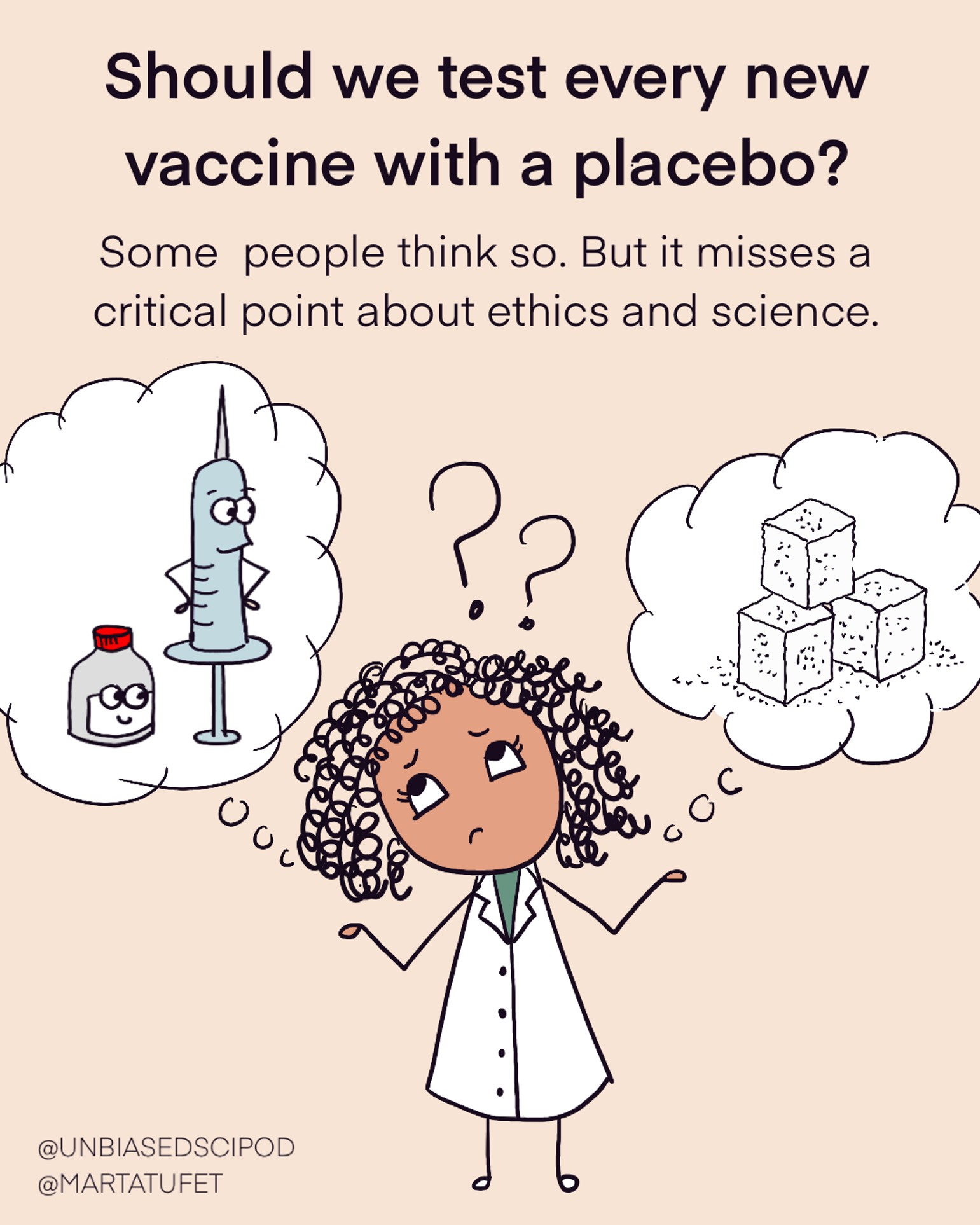
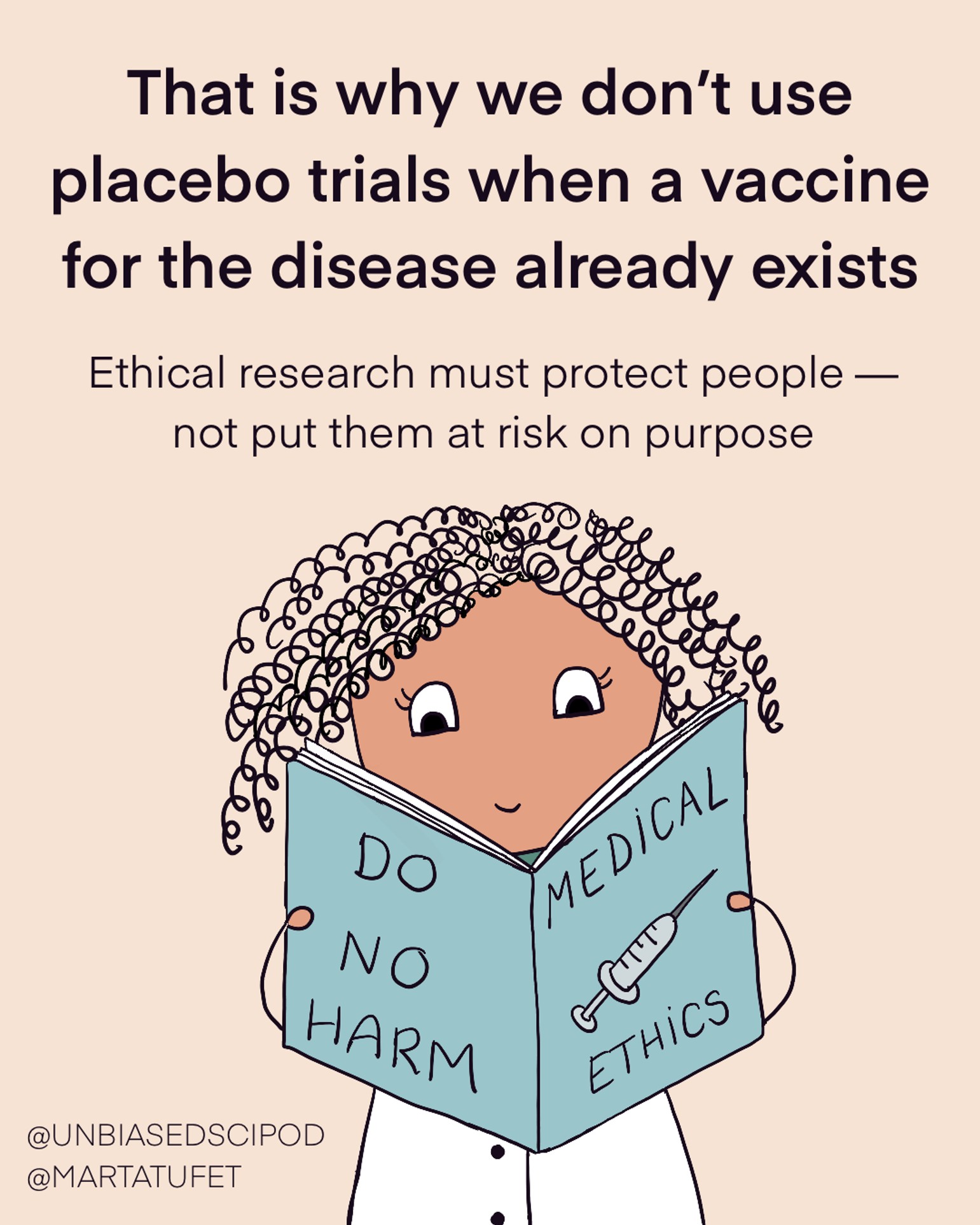
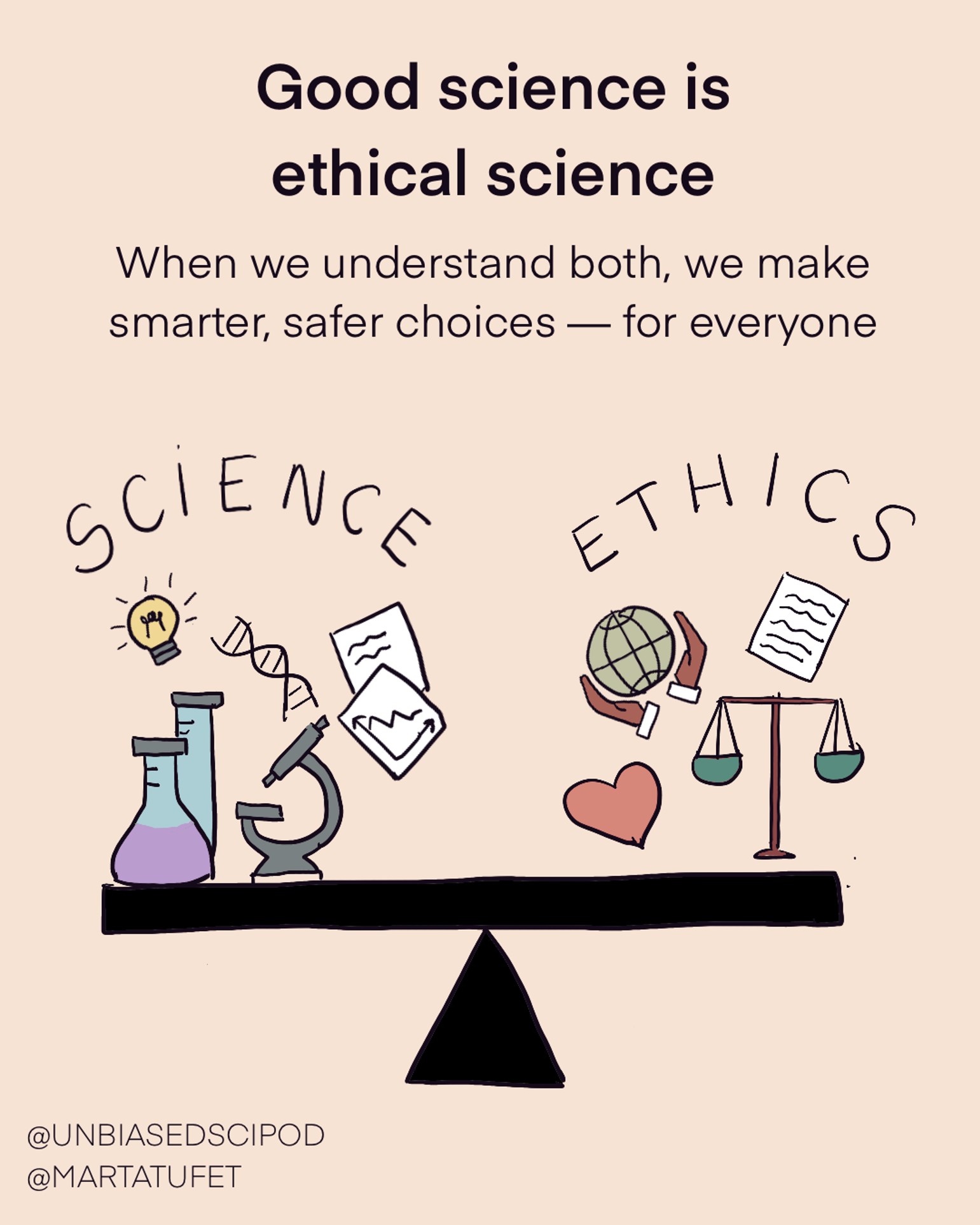
Why don’t we test all vaccines against placebos? I teamed up with Unbiased Science to illustrate a key concept in medical ethics: once a vaccine is proven to prevent serious harm, it’s no longer ethical to test new ones against nothing.
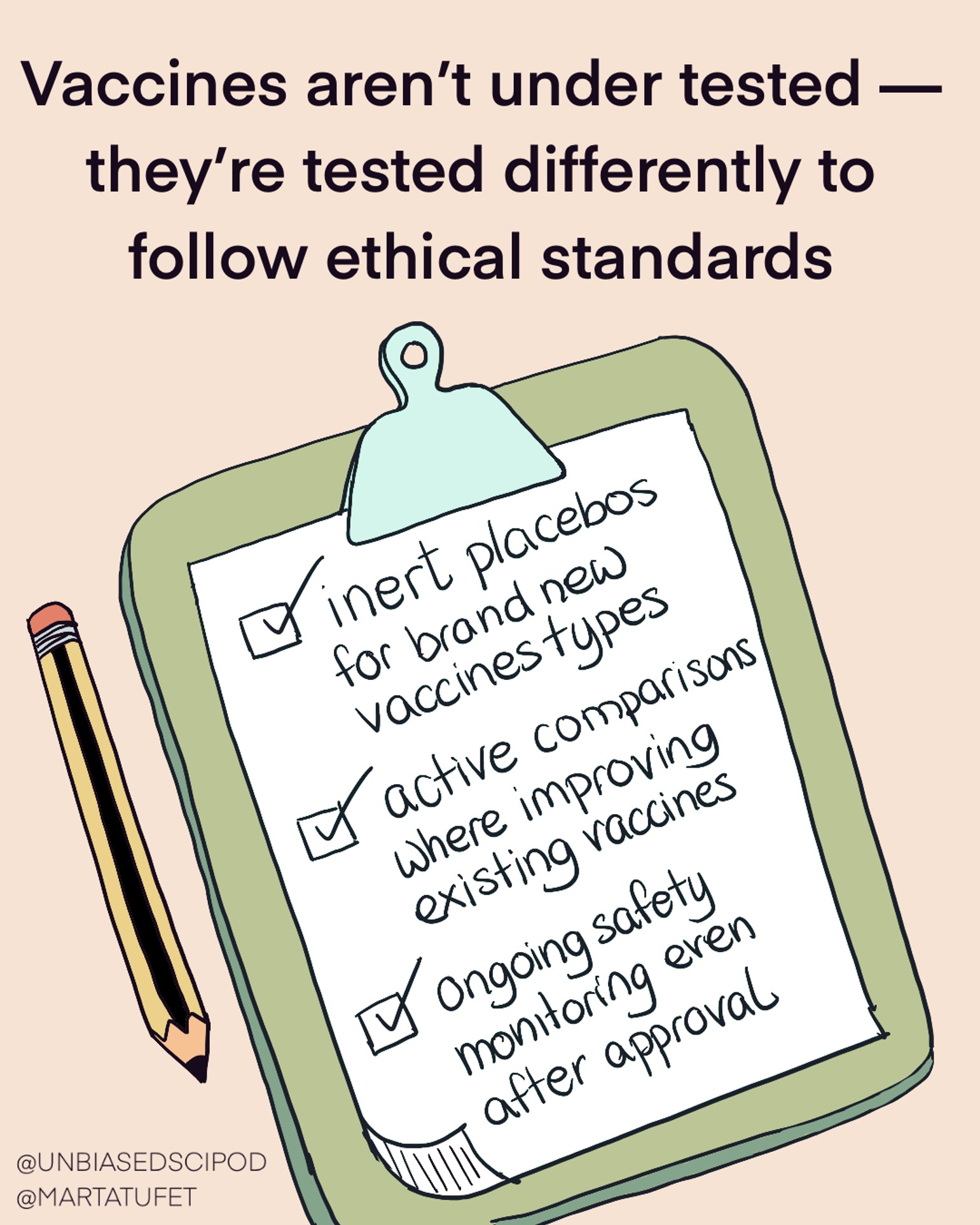
When vaccines are first developed for a disease with no existing protection—like the early COVID vaccines—they are rigorously tested against placebos. That’s scientifically necessary at that stage. But once we’ve clearly shown that a vaccine works, the ethical equation changes.
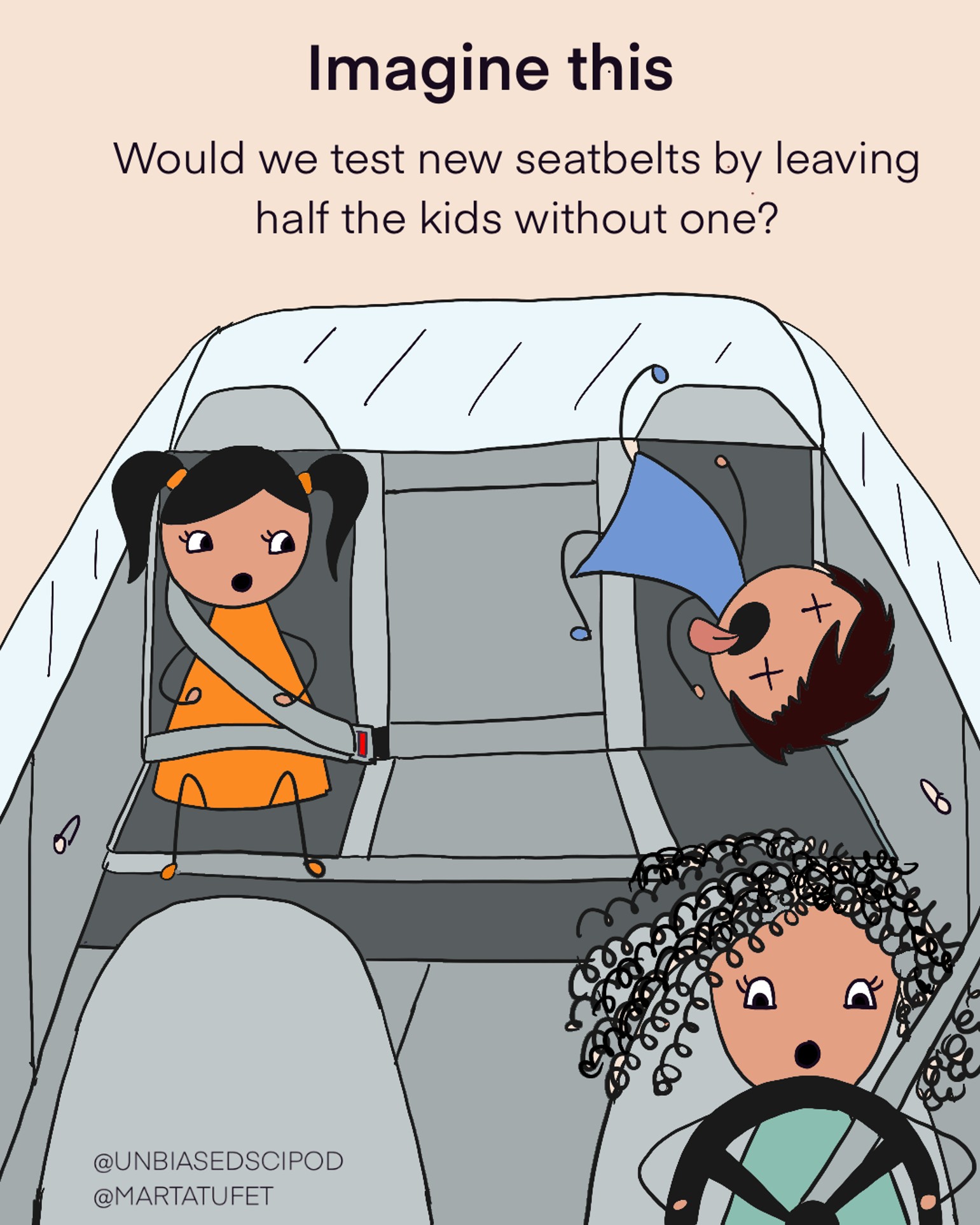
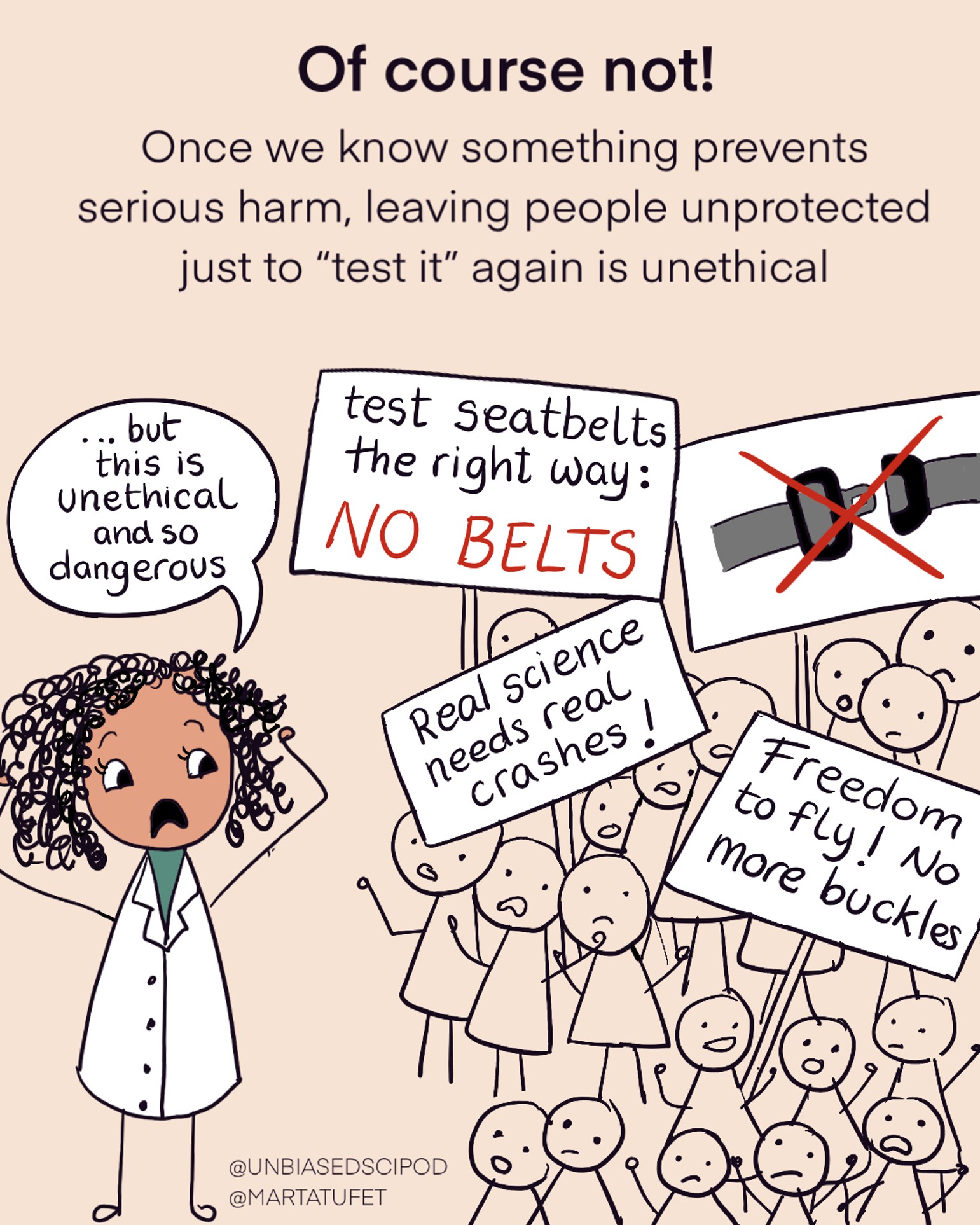
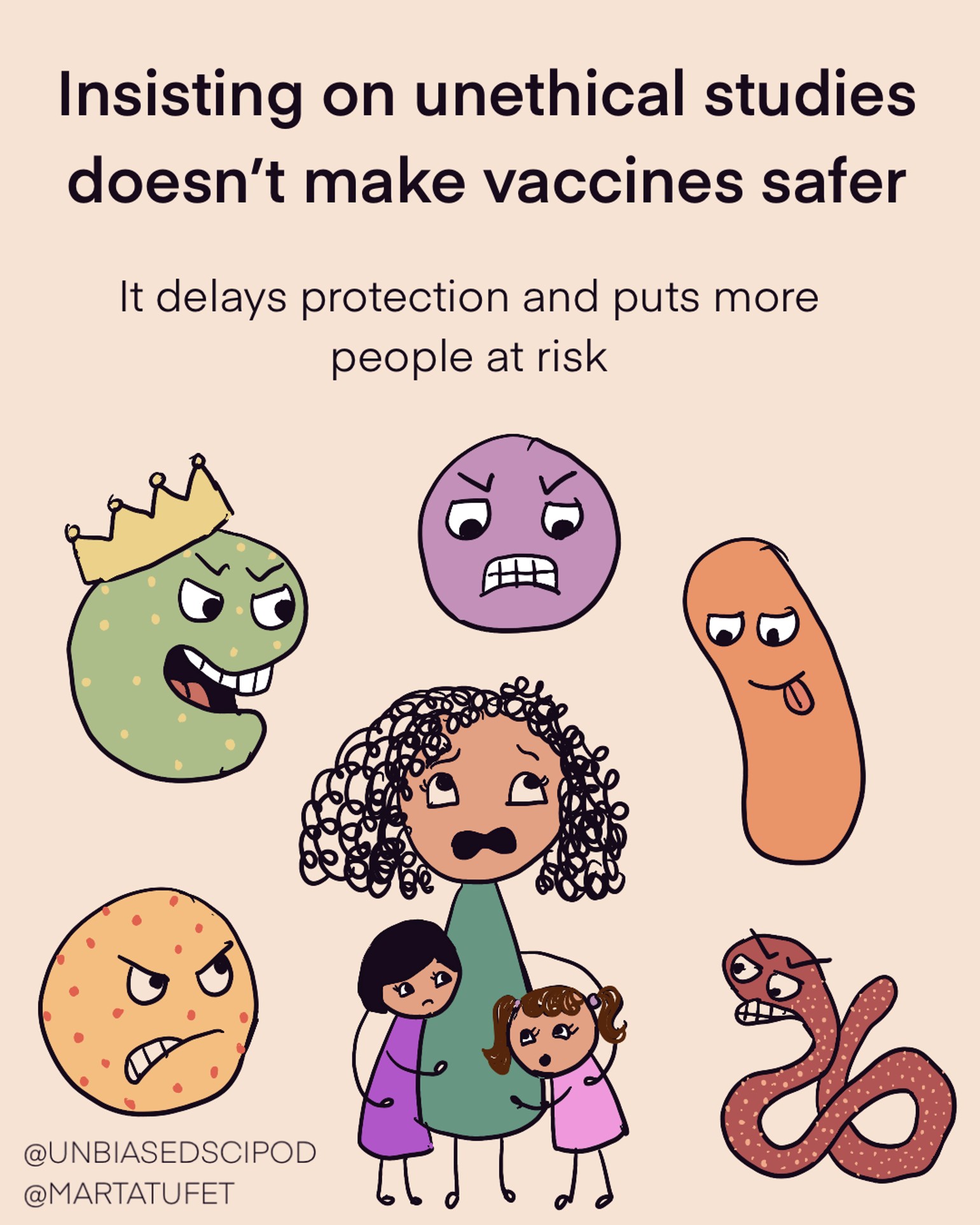
For diseases where effective vaccines already exist, it would be unethical to withhold that protection from participants when testing new vaccines for the same disease in clinical trials. We wouldn’t test a new seatbelt by leaving half the kids unbuckled—so why would we leave children unprotected against measles or polio?
Instead, we use sound scientific methods like comparing new vaccines to existing ones or using active placebos. These approaches maintain scientific integrity and ethical responsibility.
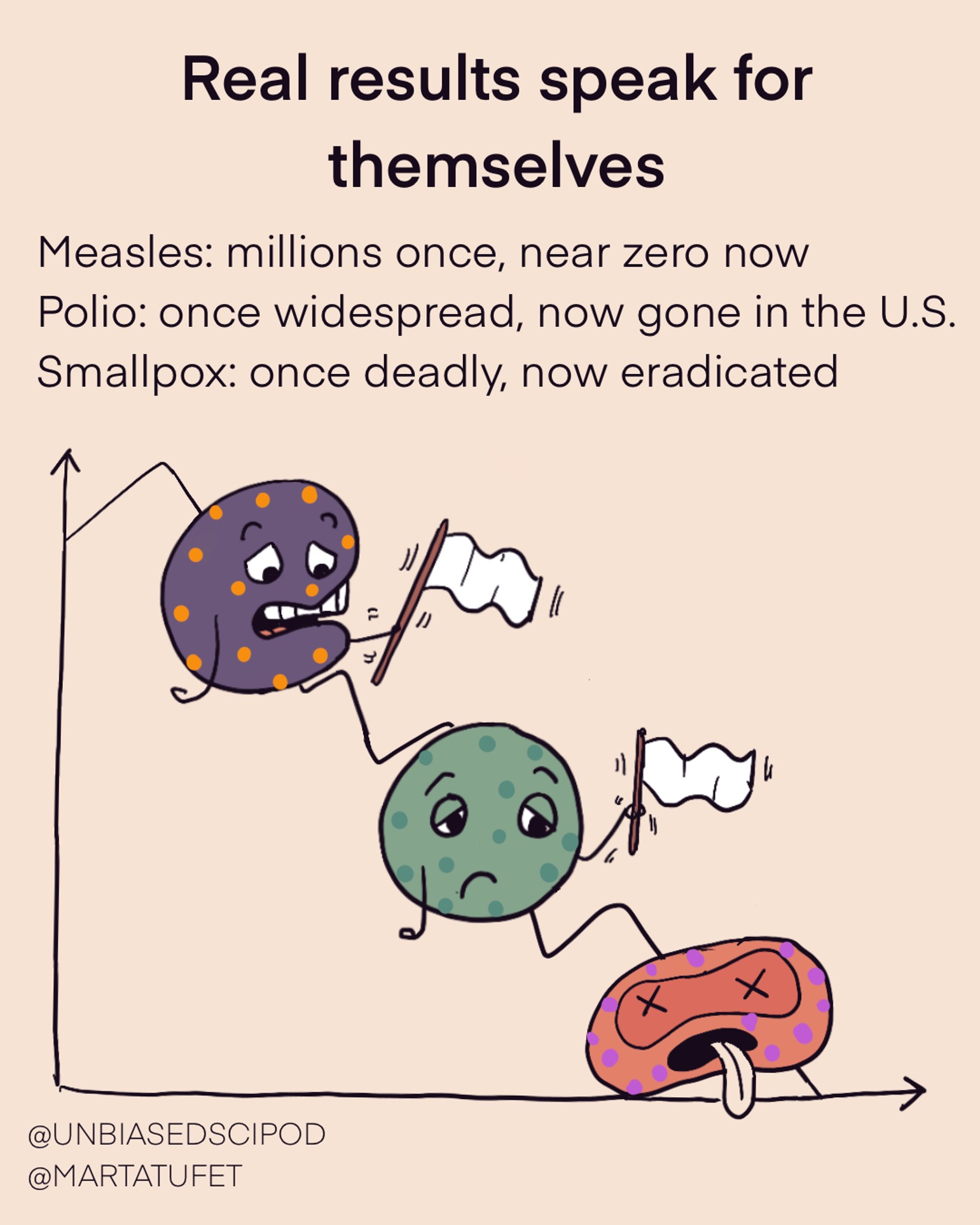
Good science isn’t just about the process—it’s about protecting people while advancing knowledge. And the real-world success of vaccines? Just look at diseases like polio and smallpox—once devastating, now rare or eliminated.