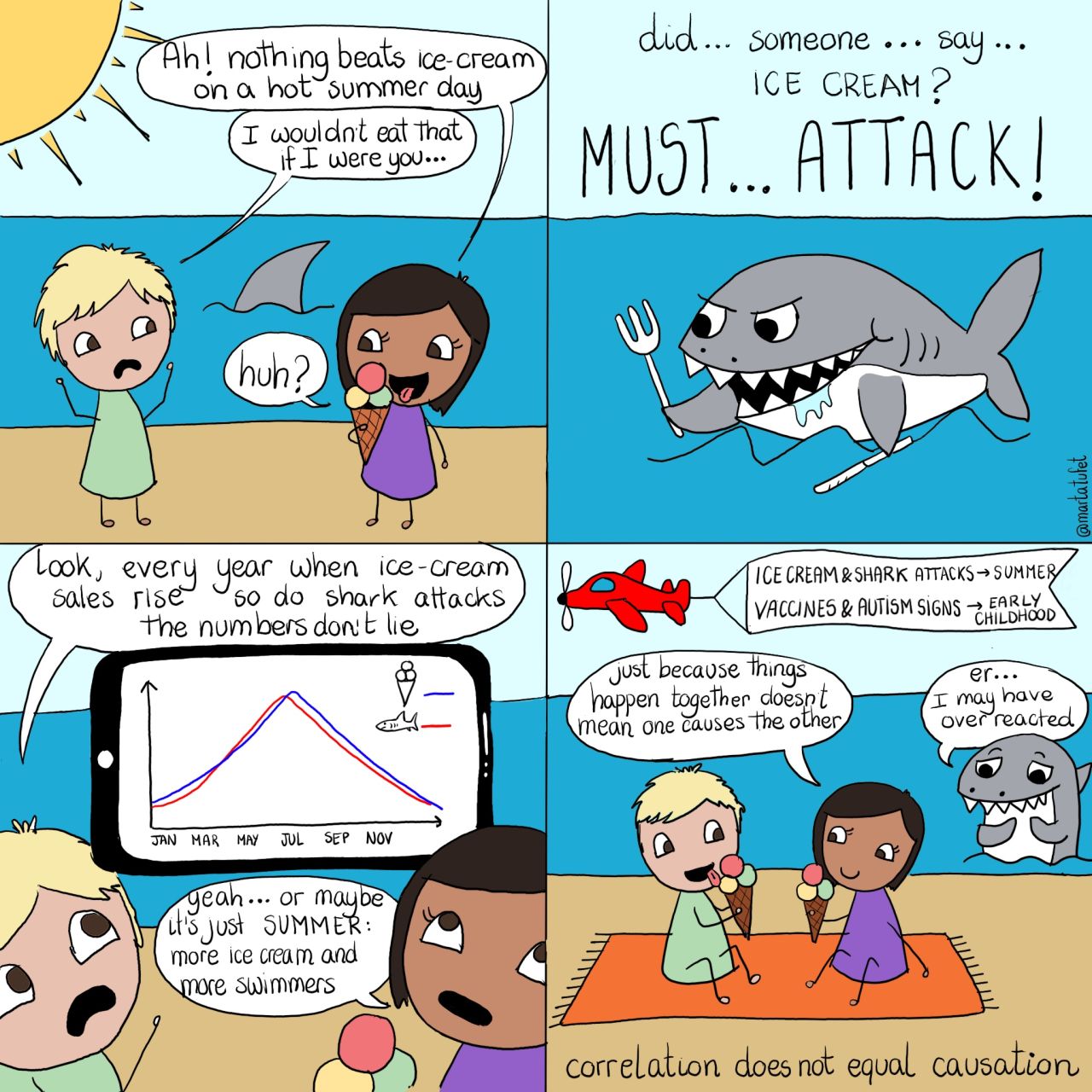
If vaccines caused autism, we’d know by now, because different groups of scientists across the world have looked, over and over and over again.
There’s a myth that “no one has really studied” whether vaccines are linked to autism. This simply isn’t true. In fact, the vaccine-autism link has been extensively studied through large-scale, high-quality studies involving millions of children worldwide over more than two decades. The scientific consensus is clear: Vaccines do not cause autism.
Let’s look at some of the data:
✅ A nationwide Danish study (2019) tracked 657,461 children over 10 years. It compared MMR-vaccinated and unvaccinated kids—even those with autism risk factors or siblings with autism. Result: No increased risk.
✅A 2014 meta-analysis published in Vaccine looked at over 1.26 million children across 10 studies.
Conclusion: “Vaccinations are not associated with the development of autism or autism spectrum disorder.”
✅A Cochrane Review (2021)—one of the most respected types of evidence—analysed 138 studies covering 23.4 million children.
Conclusion: No evidence of a link between MMR vaccines and autism.
These aren’t small studies or opinions. They’re some of the largest and most rigorous analyses in medical research.
So why does this myth persist?
One of the major reasons is a tendency to confuse correlation with causation. Autism signs often first appear around the same age children receive their vaccines. That timing creates a false link in people’s minds, but it’s just that: false.
Science thrives on testing hypotheses. In this case, the hypothesis that vaccines cause autism has been thoroughly tested and disproven.
It’s time we stop treating this as an open question. The data is in. Let’s share it, talk about it, and support parents with facts, not fear.